Sri Lanka Top Tours | Island Bloom

.

Discover Sri Lanka Cuisine

Sri Lankan Cuisine: A Flavorful Journey

Sri Lanka’s cuisine is a vibrant tapestry of flavors – spicy, aromatic, tangy, and complex. Having been at the crossroads of ancient trade routes, the island has absorbed culinary influences from India, Indonesia, the Netherlands, Portugal, and beyond, while maintaining its distinct identity.

Key Flavors & Ingredients

The Sri Lankan pantry is built around:

Spices: Cinnamon (native to the island!), cardamom, cloves, fenugreek, and curry leaves create that unmistakable Sri Lankan aroma. Black pepper brings heat without overwhelming the palate.

Coconut: The backbone of Sri Lankan cooking – used as milk, cream, grated fresh, as oil, and even the sap is fermented into toddy.

Chili: Sri Lankans love their heat! From the moderate to the fiery, chilies appear in almost everything.

Rice: The staple grain, served at almost every meal, often in multiple forms.

Herbs: Pandan leaves, lemongrass, and rampe (pandanus) add distinctive aromatic notes.

REGIONAL SPECIALITIES & DISHES

Southern Province

Known for especially fiery curries and coconut-intensive dishes like pol sambol (coconut relish with chili).

Jaffna

Famous for fiery curries and the use of palmyrah products. Jaffna crab curry is legendary – blue swimmer crabs in an intensely spiced sauce with a distinct sourness.

Coast Areas

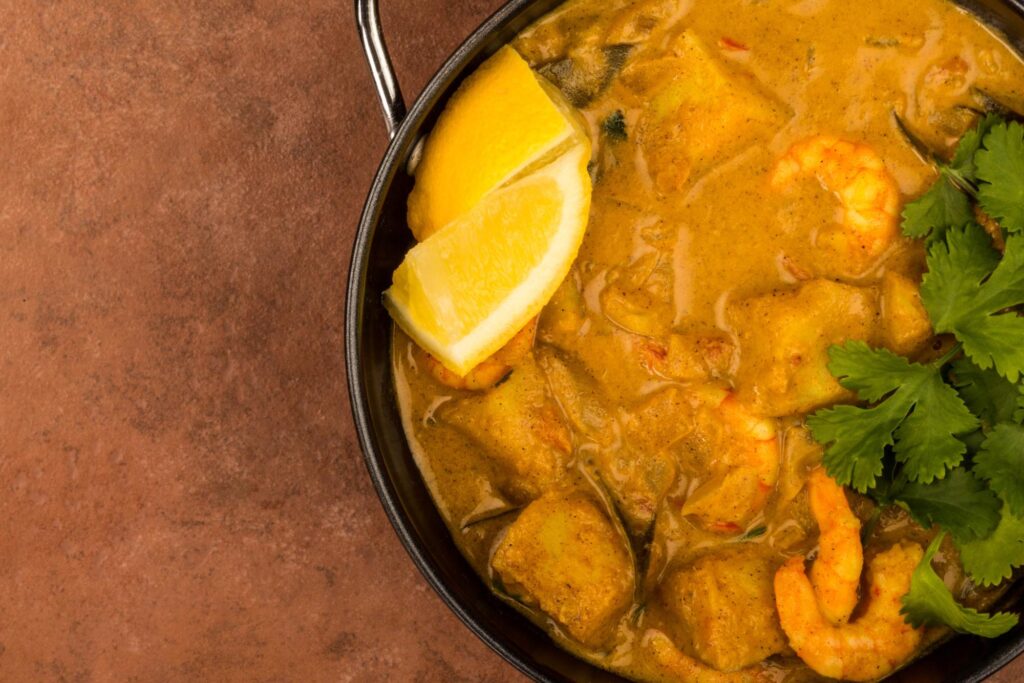
Seafood dominates, with dishes like ambulthiyal (sour fish curry) and isso hodi (prawn curry in coconut milk).

Central Highlands

Cooler weather means more vegetables. Look for dishes featuring ash plantains, jackfruit, and unique local greens.

Flavor Pallet of Exceptional Vibrance

Sri Lankan cuisine dazzles the senses with its bold fusion of fragrant spices, fresh coconut, and tangy tropical fruits that create complex layers of flavor in every dish. From the fiery seafood curries along the coast to the aromatic rice and curry spreads of the highlands, each bite tells a story of cultural exchange spanning thousands of years. The island’s beloved street foods—like crispy egg hoppers, savory kottu roti, and sweet wattalappam—offer travelers an unforgettable taste of Sri Lanka’s culinary identity that lingers in memory long after the journey ends.

Iconic Sri Lankan Dishes

Rice and Curry

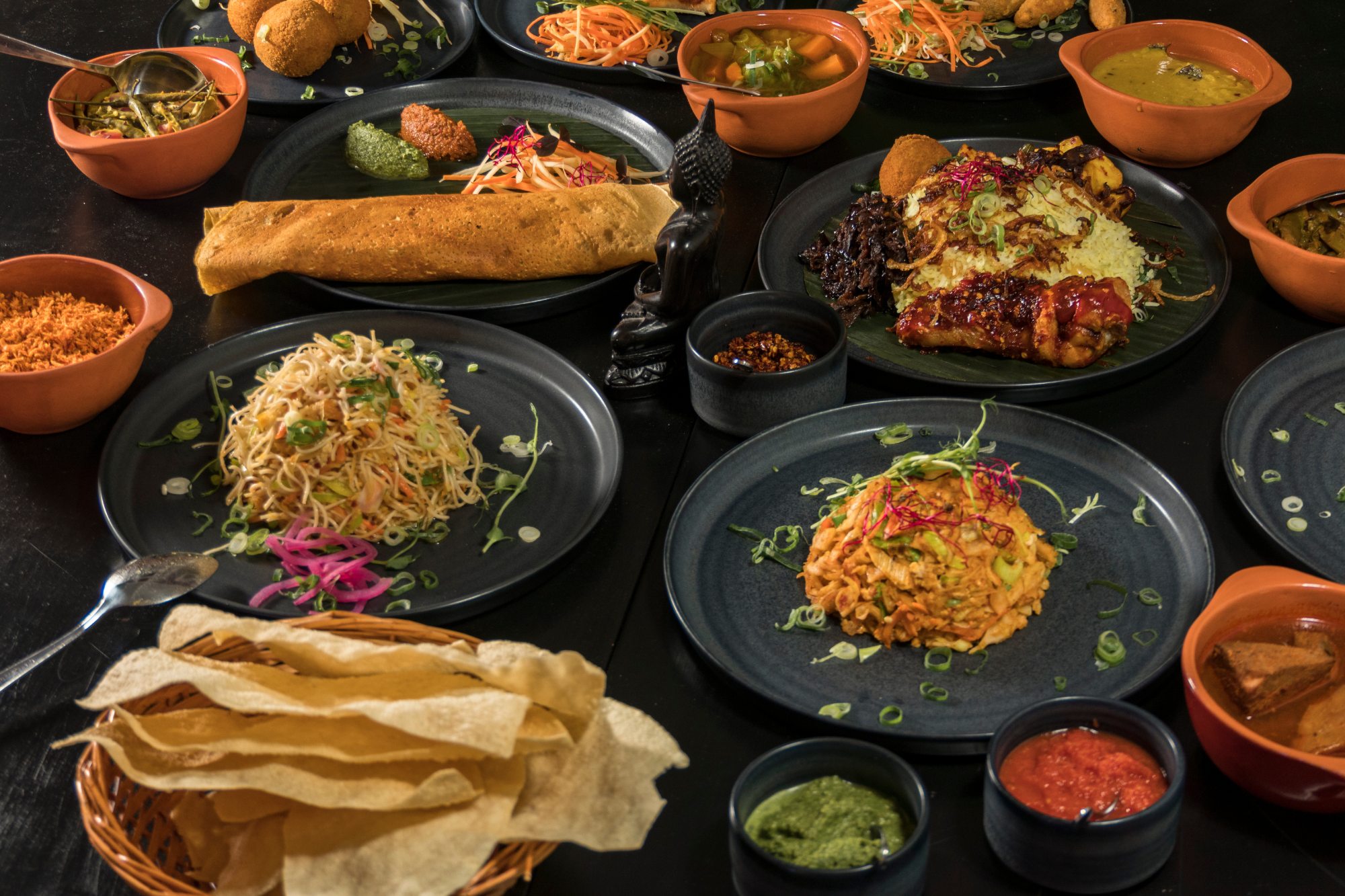
The national meal! Unlike its neighbors, Sri Lankan “rice and curry” is actually rice accompanied by multiple smaller curry dishes – often 5-10 different preparations. These typically include:

  • A meat or fish curry
  • Dhal (lentil curry)
  • At least one coconut sambol
  • Several vegetable curries
  • Pickles or chutneys

Each region has its variations, but the combination creates a symphony of tastes and textures in a single meal.


Hoppers (Appa)

These bowl-shaped pancakes made from fermented rice flour and coconut milk are uniquely Sri Lankan. The edges are crispy while the center remains soft. Variations include:

  • Plain hoppers
  • Egg hoppers (with an egg cooked in the center)
  • String hoppers (idiappa) – steamed rice noodles pressed into flat nests

Typically served for breakfast or dinner with curry, sambols, and chutneys.


Kottu Roti

The ultimate Sri Lankan street food and late-night favorite! Chopped godamba roti (a flatbread) is stir-fried with spices, vegetables, eggs, and your choice of meat on a large hot griddle. The rhythmic clanging of metal cleavers chopping the ingredients is the soundtrack of Sri Lankan evenings.


Lamprais

A Dutch-influenced dish of fragrant rice with mixed meat curry, frikkadels (meatballs), belacan (shrimp paste), and sambols, all wrapped in a banana leaf and baked. The leaf imparts a unique aroma to this complex dish.


Fish Ambul Thiyal

Cubes of tuna cooked in a blend of spices, goraka (a sour fruit), and black pepper until the liquid evaporates completely. The result is intensely flavorful, tangy pieces of fish that keep for days without refrigeration.


Polos (Jackfruit Curry)

Young green jackfruit is simmered until tender in a spice-rich coconut curry. The texture resembles pulled pork, making this a satisfying meat alternative that’s been part of the cuisine for centuries.


Watalappan

A rich custard dessert made with jaggery (palm sugar), coconut milk, eggs, and cardamom, topped with cashews. This Muslim-influenced dessert showcases the cultural diversity of Sri Lankan cuisine.


Regional Specialties 

Street Food Gems

  • Isso wade: Spicy lentil cakes topped with prawns
  • Achcharu: Pickled fruits and vegetables with chili
  • Malu paan: Fish-stuffed bread rolls
  • Pol roti: Coconut flatbread served with lunu miris (onion sambol)
  • Kimbula bunis: Crocodile-shaped sweet buns


Drinks

  • Ceylon tea: World-famous, available in various strengths and styles
  • King coconut water: Sweet, refreshing drink straight from the orange-hued coconut
  • Toddy: Fermented coconut sap
  • Arrack: Distilled from coconut flower sap, Sri Lanka’s native spirit


Sri Lankan food is an adventure for the senses – bustling with flavor, colorful in presentation, and deeply connected to the island’s history and geography. Each dish tells a story of cultural exchange, agricultural abundance, and the joy of communal eating that remains central to Sri Lankan identity.
Fresh Farmer's Markets

Stepping into a local Sri Lankan food market is a delight on all senses. The humid air carries the perfume of ripe tropical fruits mingling with the sharp tang of curry leaves and freshly ground spices. Stalls overflow with pyramids of vibrant produce—ruby-red rambutans, golden jackfruit, emerald bitter gourds, and countless varieties of bananas. Vendors call out their prices in singsong voices, expertly weighing goods on ancient scales while engaging in animated banter with regular customers. Women in colorful saris meticulously inspect rice varieties, while fishmongers deftly clean the day’s catch on wooden blocks, silver scales glinting in the morning light. The market pulses with activity as locals navigate the narrow pathways with practiced ease, haggling good-naturedly over bundles of fresh herbs or selecting the perfect spices for their day’s cooking. Small makeshift food stalls dot the periphery, sending out irresistible aromas of freshly fried vadai and hot, sweet tea, creating temporary community spaces where neighbors exchange gossip while taking a moment’s respite from the vibrant chaos.