Sri Lanka Top Tours | Island Bloom
.
Sri Lanka’s largest and one of its oldest national parks, Wilpattu, is a wildlife enthusiast’s dream, offering an authentic safari experience away from the crowds. Named for its unique natural lakes, or “villus,” the park’s landscape is a stunning tapestry of dense forest, open grasslands, and tranquil water bodies.
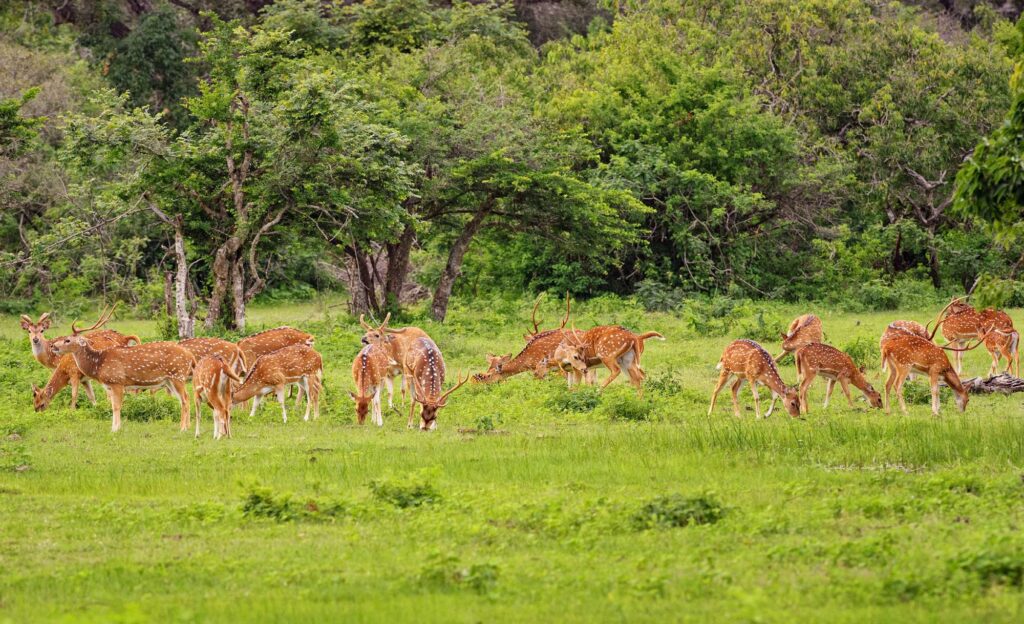
Wilpattu’s most distinguishing feature is its intricate network of nearly 100 shallow, sand-rimmed lakes known as “villus.” These water basins, filled by rainwater during the monsoon, are the lifeblood of the park. They attract and sustain a rich diversity of flora and fauna, serving as crucial watering holes where animals, from majestic elephants to elusive leopards, gather for a drink. The “villus” are often surrounded by open plains, providing perfect vantage points for incredible wildlife sightings.
Wilpattu National Park is home to Sri Lanka’s most iconic wildlife, offering a fantastic opportunity to spot the “Big Four” that captivate every safari-goer’s heart.
The Elusive Leopard: Wilpattu is renowned for its healthy leopard population. These magnificent cats are the apex predators of the park and, due to the less crowded environment, sightings are often more intimate and rewarding than in other parks.
The Sri Lankan Sloth Bear: A true highlight of Wilpattu is the chance to spot the endemic sloth bear. These shaggy-coated bears are often seen ambling through the undergrowth, particularly during the Palu fruit season, making Wilpattu arguably the best place in Sri Lanka to see them.
The Gentle Giant: While not as densely populated with elephants as some other parks, Wilpattu still offers fantastic opportunities to see these gentle giants. Elephants are typically found roaming near the park’s larger water sources and dense forest areas.
The Majestic Water Buffalo: Both wild and feral water buffalo are a common and impressive sight in Wilpattu. They are often seen grazing or wallowing in the “villus,” their powerful presence a key part of the park’s ecosystem.
Beyond the “Big Four,” you can expect to see a wide array of other animals, including the spotted deer, sambar, wild boar, and mugger crocodiles sunning themselves by the water’s edge. The park is also a paradise for birdwatchers, with numerous endemic and migratory species to discover.
Wilpattu National Park is located on Sri Lanka’s northwest coast. Its remote location adds to its untouched charm, though it is easily accessible from major cities.
From Colombo: The journey from Colombo to Wilpattu typically takes approximately 4 hours by car.
From Kandy: Travel from Kandy to the park’s entrance is a similar duration, usually around 3.5 to 4 hours by car.
The main entrance to the park is the Hunuwilgama Gate, which is the most common starting point for safaris.
Ready to experience the untamed beauty of Wilpattu National Park? Our expert guides are passionate about showcasing the best of Sri Lanka’s wildlife and natural wonders. We offer expertly crafted safari tours that ensure a memorable and responsible adventure.
Contact us today to book your personalized Wilpattu safari and get ready for the trip of a lifetime!
Yala National Park is celebrated for one of the highest densities of leopards in the world, making it the best place to see leopards in the wild. But the park’s appeal extends far beyond these magnificent felines.
The Elusive Leopard: The undisputed king of Yala’s jungle. These stunning big cats are masters of camouflage, often found lounging on sun-warmed rocks or prowling near waterholes. The thrill of spotting one is an unforgettable highlight of any Yala safari tour.
Herds of Elephants: Yala is home to a significant population of Sri Lankan elephants. You will often see these gentle giants grazing in open areas, bathing in the lagoons, or traveling in herds with their young.
The Sri Lankan Sloth Bear: One of the most unique and rarely seen animals in the park, the sloth bear is a shy, shaggy-coated creature that adds a layer of mystery and excitement to your safari.
Other Spectacular Wildlife: Keep your cameras ready for a vast array of other fascinating animals, including wild water buffalo, spotted deer, wild boars, crocodiles, monitor lizards, and jackals. The park is teeming with life at every level!
A Paradise for Birders: With over 200 species of birds recorded in the park, including a number of endemics and a large number of migratory birds, Yala is a true paradise for birdwatching.
What makes Yala National Park so special is its incredible variety of habitats, all compressed into one breathtaking area.
Lush Scrub Jungle & Grasslands: The majority of the park consists of a thick, dry scrubland and open grassy plains, which are perfect for spotting grazing animals.
Shimmering Lagoons: Large, serene lagoons dotted throughout the park are vital watering holes. These are prime locations for spotting crocodiles, water buffalo, and a spectacular variety of waterbirds.
Sandy Coastlines: Yala is one of the few national parks in the world that meets the ocean. Its rugged coastline and sandy beaches add a dramatic backdrop to your wildlife adventure, and you might even spot marine turtles.
Ready to embark on a thrilling adventure? Our 1-day Yala safari tour is designed for an immersive and memorable experience. We handle all the details so you can focus on the wildlife.
Early Morning Safari: We begin our journey at dawn, the best time to visit Yala for animal sightings when creatures are most active.
Comfortable & Safe: Travel in a comfortable, open-top safari jeep with our expert driver and guide, ensuring a safe and exciting experience.
Focus on Sightings: Our guides will use their years of experience to take you to the most promising spots, maximizing your chances of seeing the park’s incredible wildlife.
Find out more and book your adventure today!
Embarking on a safari is an incredible adventure, and we’re here to answer all your questions about your tour to Wilpattu National Park.
1. When is the best time to visit Wilpattu National Park for a safari? The ideal time for a safari tour to Wilpattu is during the dry season, which runs from approximately May to September. During this period, the park’s “villus” (lakes) recede, making animals more likely to gather at a few central watering holes. The drier conditions also make it easier for jeeps to navigate the park’s roads, increasing your chances of an excellent wildlife sighting.
2. What animals can I expect to see on a Wilpattu safari? Wilpattu is famous for its healthy population of leopards, and your tour offers a fantastic opportunity to see them. You also have a great chance of spotting the elusive Sri Lankan sloth bear, especially during the Palu fruit season. Other common sightings include elephants, wild and feral water buffalo, spotted deer, sambar, and a vibrant variety of birdlife, including both migratory and endemic species.
3. How long does a typical Wilpattu safari tour last? Our safari tours are flexible to fit your schedule, but we recommend either a half-day or full-day tour for the best experience. A half-day tour (morning or afternoon) is perfect for a condensed safari experience. A full-day tour provides more time to explore the park’s vast landscapes and increases your chances of spotting a wider range of wildlife. For the most immersive adventure, we can arrange a multi-day tour with overnight stays near the park.
4. What should I pack or wear for my Wilpattu tour? We recommend wearing light, comfortable, and breathable clothing in neutral colors (khaki, brown, olive green) to blend in with the environment. It is essential to bring a hat, sunglasses, and sunscreen. A good camera with a zoom lens and binoculars are a must for spotting wildlife. Don’t forget to pack any personal medication and insect repellent. We will provide bottled water and refreshments during the tour.
5. Are Wilpattu safaris safe for children and families? Yes, our Wilpattu safari tours are safe and can be a wonderful adventure for families with children. Our safari jeeps are operated by experienced, professional drivers who adhere to all park regulations and prioritize your safety. The tours are conducted on designated tracks, and all activities are done from the security of the vehicle. We can customize the tour pace to ensure a comfortable and enjoyable experience for all ages.